
Замовлення доставки здається невинним у момент. Це лише одна вечеря, лише 35 $, лише тому, що ви втомлені. Але «лише одна вечеря» має звичку ставати звичкою, а звичка — цифрою, яка вражає, коли ви її підсумовуєте. Тож підсумуймо — включно з витратами, яких додатки не показують у меню.
Ціна на ціннику — лише половина справи
Замовлення доставки — це ніколи не лише їжа. Реальна вартість швидко наростає:
- Ціна в меню: скажімо, 28 $ за страву на двох
- Плата за доставку: 3–6 $
- Сервісний збір: ще 10–15%
- Чайові: 10–20%
- Надбавки за мале замовлення або «завантажений район»: 1–3 $
Та страва за 28 $ регулярно виходить на 40–45 $ після всіх додавань. Додатки спроектовані так, щоб ви відчували лише ціну в меню; комісії з'являються на оплаті, коли ви вже вирішили.
Річна математика
Ось де стає некомфортно. Оцінимо кілька поширених звичок по ~42 $ за замовлення на двох:
- Раз на тиждень: 42 $ × 52 = ~2 180 $/рік
- Двічі на тиждень: ~4 370 $/рік
- Тричі на тиждень: ~6 550 $/рік
Навіть «скромна» звичка двічі на тиждень за кілька років коштує більше, ніж пристойне вживане авто. Тричі на тиждень — і ви витрачаєте лише на комісіях за доставку більше, ніж багато людей витрачають на продукти.
Комісії — тихий вбивця. За рік замовлень двічі на тиждень плата за доставку й сервіс плюс чайові можуть самі по собі скласти 1 000+ $ — гроші, що купують лише зручність.
Що ці гроші могли б бути натомість
Приготування тих самих страв удома зазвичай коштує 8–14 $ на двох — третина або чверть ціни з доставкою. Заміна лише двох вечорів доставки на тиждень запланованими домашніми вечерями реалістично заощаджує 2 500–3 500 $ на рік.
Це не бюджет позбавлення. Ви їсте таку саму їжу — просто не платите податок на зручність двічі на тиждень.
Чому «втома» — справжній рушій витрат
Майже ніхто не замовляє доставку тому, що воліє її. Замовляють, бо о 18:00, виснажені, не знають, що готувати, і не хочуть вирішувати. Доставка — це насправді не покупка їжі, а покупка втечі від рішення.
Це й є справжній важіль. Якщо рішення вже ухвалено, імпульс замовити доставку переважно зникає. Вам потрібна не більша сила волі; вам потрібно не вирішувати у найвиснаженішу годину.
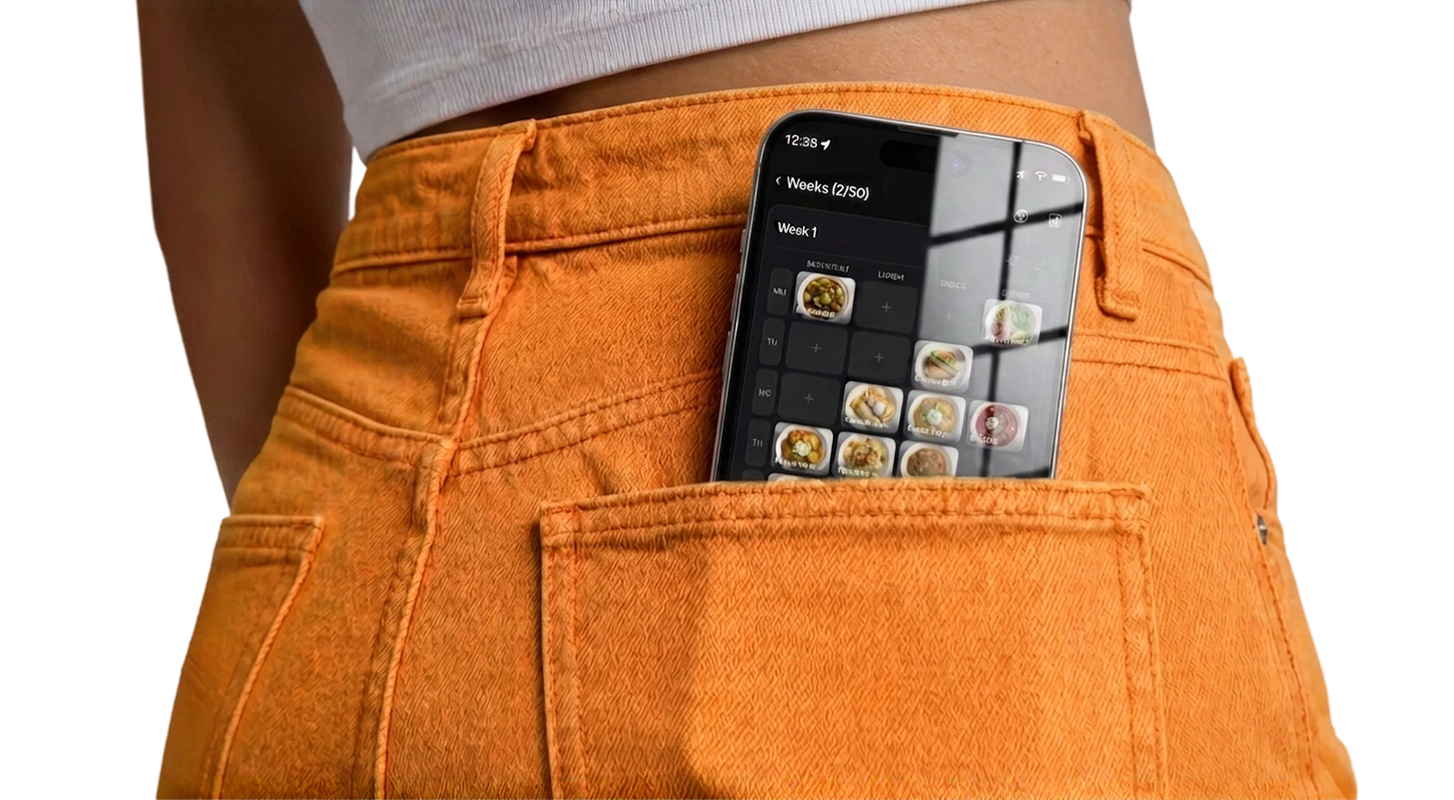
Завантажити FoodsPlans
Зберігайте страви, плануйте тижні, перевикористовуйте плани та генеруйте списки покупок з AI — все в одному простому додатку.
 App Store
 Google Play
Як перестати замовляти доставку (без ненависті до життя)
Мета — не нуль доставки назавжди, а доставка за вибором, а не за замовчуванням. Проста щотижнева система робить основну роботу:
- Вирішуйте раз на тиждень, коли не виснажені, щоб о 18:00 відповідь була готова.
- Тримайте в плані прості страви «на втомлений вечір» — 15-хвилинні вечері для днів, коли зазвичай здалися б.
- Генеруйте список покупок із плану, щоб інгредієнти справді були вдома.
- Зберігайте найкращі тижні і перевикористовуйте їх, щоб планування займало хвилини.
Підрахуйте власні цифри чесно — порахуйте замовлення за минулий місяць, помножте на дванадцять. Щоб ви не знайшли, 15-хвилинний щотижневий план — найдешевший спосіб зменшити це. Залиште доставку для випадків, коли ви справді її хочете, а не для кожного вечора, коли забули вирішити.